Wilderness Leadership: Lessons From the Outdoors That Transform
It may be time to rethink everything you've ever learned about how to succeed in your professional life.
The Wilderness as a Leadership Classroom
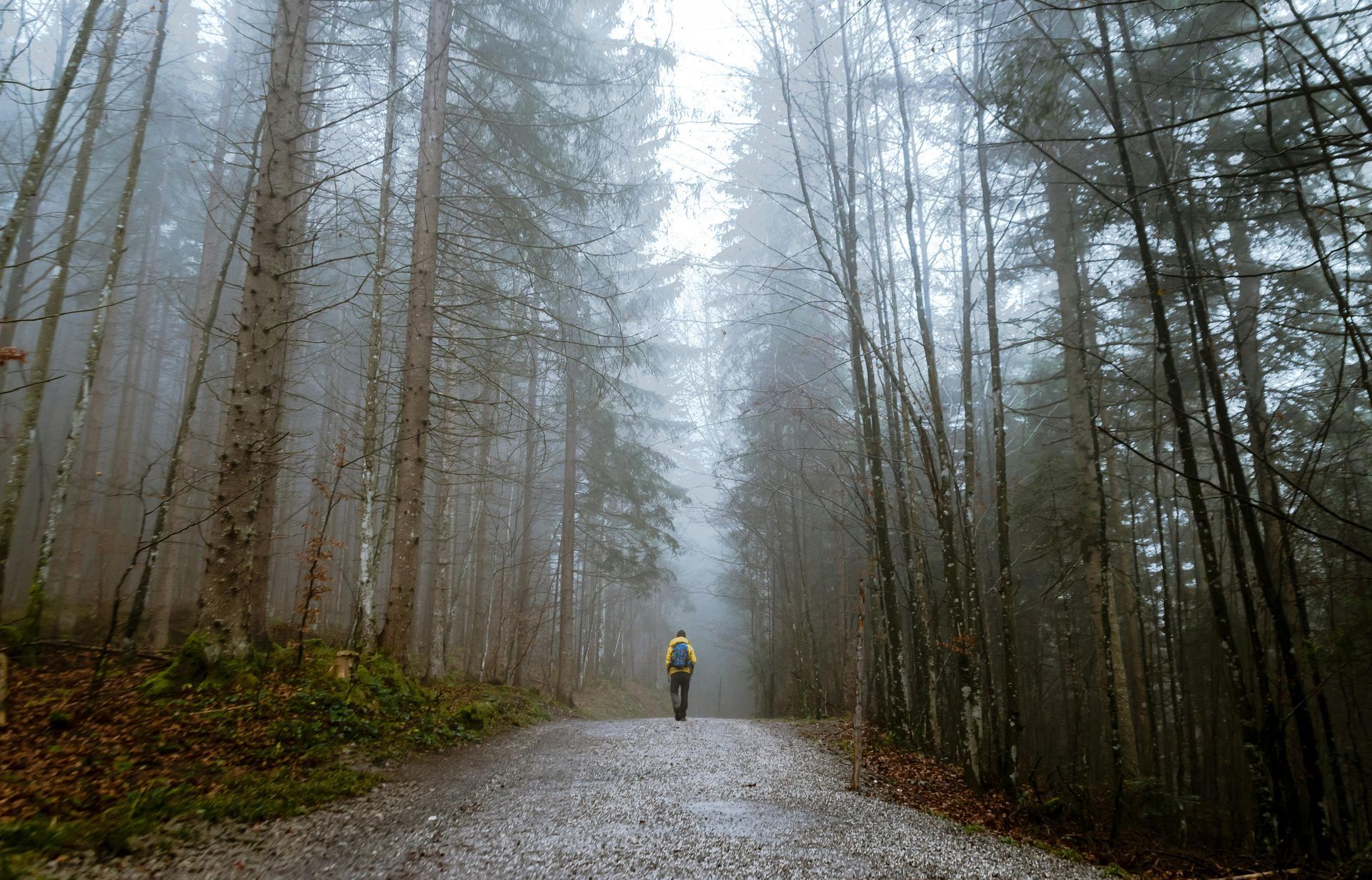
If you want to truly understand leadership, step outside; far outside. Into the rugged, raw, untouched spaces where distractions fall away, comfort disappears, and only what matters most remains. The wilderness has a way of revealing leaders to themselves in ways boardrooms never will.
Out here, there are no titles, no emails, no deadlines buzzing your pocket. The terrain does not care about your résumé. What it does care about is your ability to adapt, to respond, and to keep moving when the path becomes steep, unclear, or painfully slow. In this way, the wilderness becomes the ultimate leadership classroom.
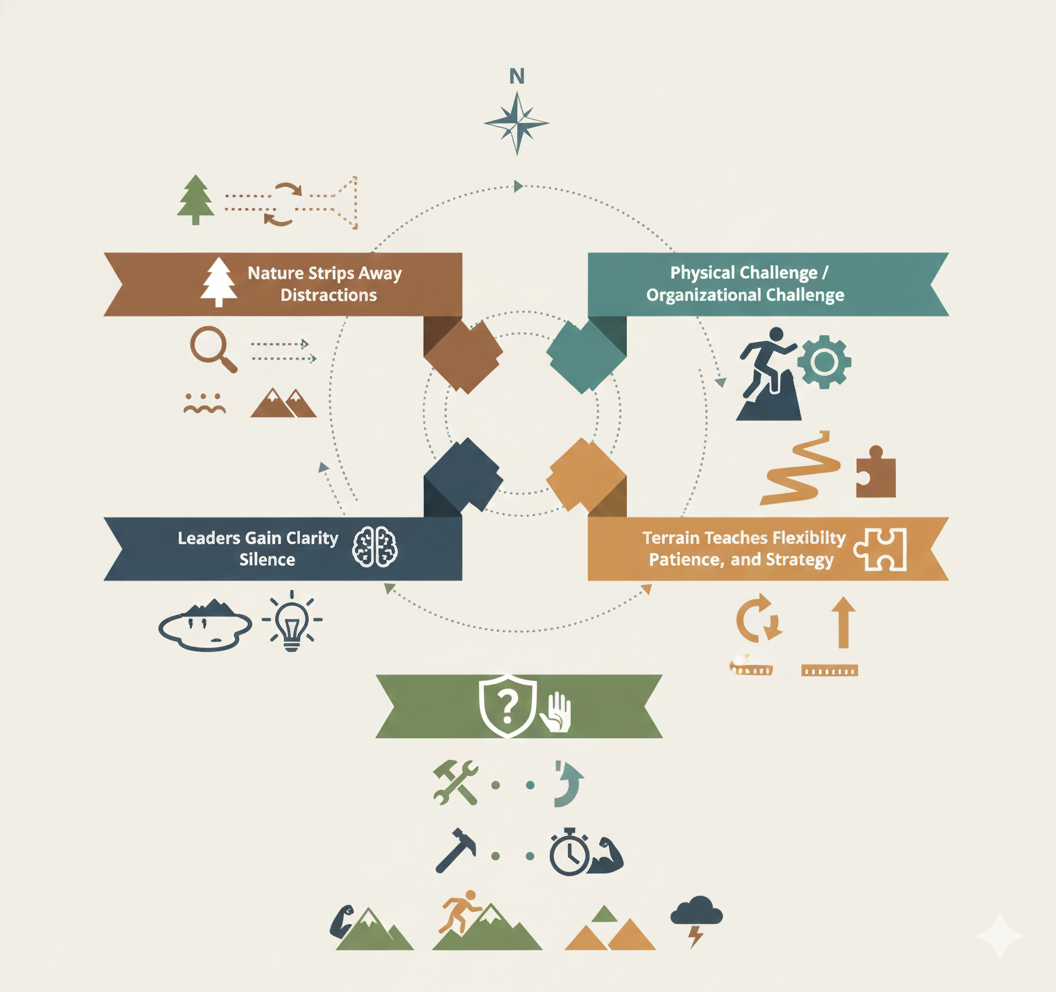
Nature Strips Away Distractions
In the backcountry, silence becomes your mentor. Without the constant hum of responsibility and pressure, leaders begin to see more clearly. Thoughts settle. Priorities reorder. What once felt urgent suddenly looks small. And what truly matters rises to the surface.
- Silence clarifies priorities by removing artificial urgency and exposing what truly matters
- Distance from noise restores perspective, allowing leaders to see beyond daily pressure
Physical Challenge Mirrors Organizational Challenge
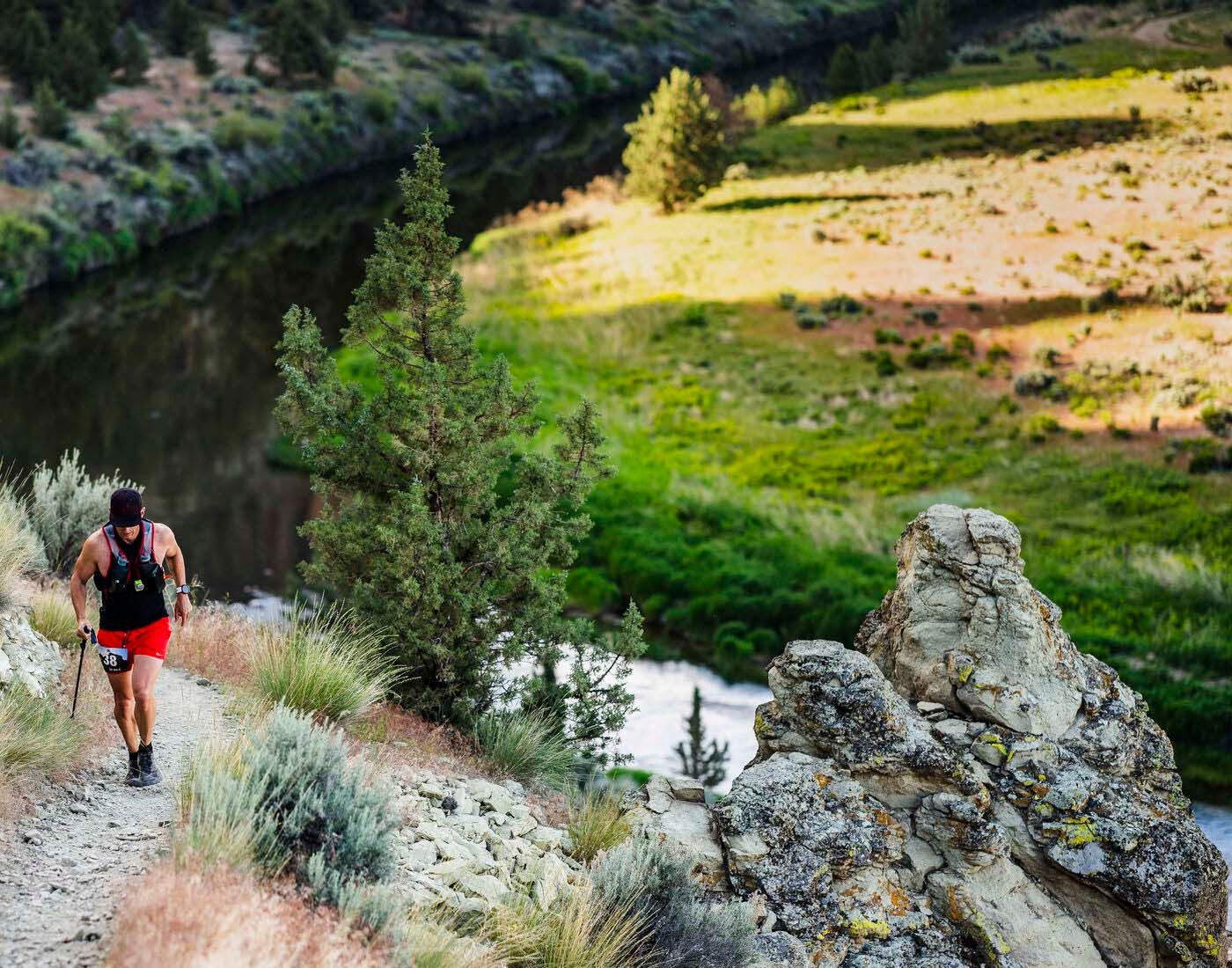
Climbing a ridge in the heat, crossing a creek, navigating a rocky descent; these moments parallel the challenges leaders face daily. The body struggles, the mind pushes back, and doubt creeps in. But just like leading teams, the answer is found in persistence, problem-solving, and choosing action over hesitation.
- Discomfort reveals decision patterns under stress, uncertainty, and fatigue
- Progress demands persistence, adaptability, and action despite doubt
Leaders Gain Clarity in Silence
In a world where noise is the default, silence becomes a radical teacher. The wilderness gives leaders space to think; not surface-level thought, but deep, strategic, visionary thought that only emerges when the volume of life is turned down. Leaders leave the trail with ideas, clarity, and direction that wouldn’t surface anywhere else.
- Quiet enables strategic thinking that cannot surface in constant motion
- Stillness sharpens direction, producing insight that lasts beyond the trail
Terrain Teaches Flexibility, Patience, and Strategy
The wilderness is unpredictable. Weather shifts. Trails wash out. Elevation surprises you. This kind of variability teaches strategic adaptability. Leaders must pivot, slow down, speed up, or reroute entirely. The terrain becomes a metaphor for business: success belongs to those willing to adjust, recalculate, and keep moving.
In every rocky climb and quiet overlook, the wilderness invites leaders to examine who they are; and who they want to become.
Out here, transformation isn’t theoretical. It’s physical, mental, and undeniably real.
Why Leadership Growth Can’t Be Self-Directed
Leadership development isn’t a DIY project. While books and workshops provide tools, the wilderness provides application. Real-time stress tests, genuine resilience-building, and deep clarity require environments that stretch leaders beyond their comfort zones. Without guided challenge and reflection, growth remains limited.
What Meaningful Leadership Experiences Have in Common
Leaders should look for moments where discomfort becomes opportunity; where silence sparks insight, where shifting terrain forces adaptability, and where challenge reveals character. These are the signs you’re not just surviving the wilderness; you’re learning from it.
Mile 41 Blog